Pricing · · 3 min read
The Psychology of Pricing: 7 Tricks That Make People Say “Yes” to Higher Prices
Want to charge more and still convert? These science-backed pricing tactics do the selling for you.
 By Nicolas (NickMark)
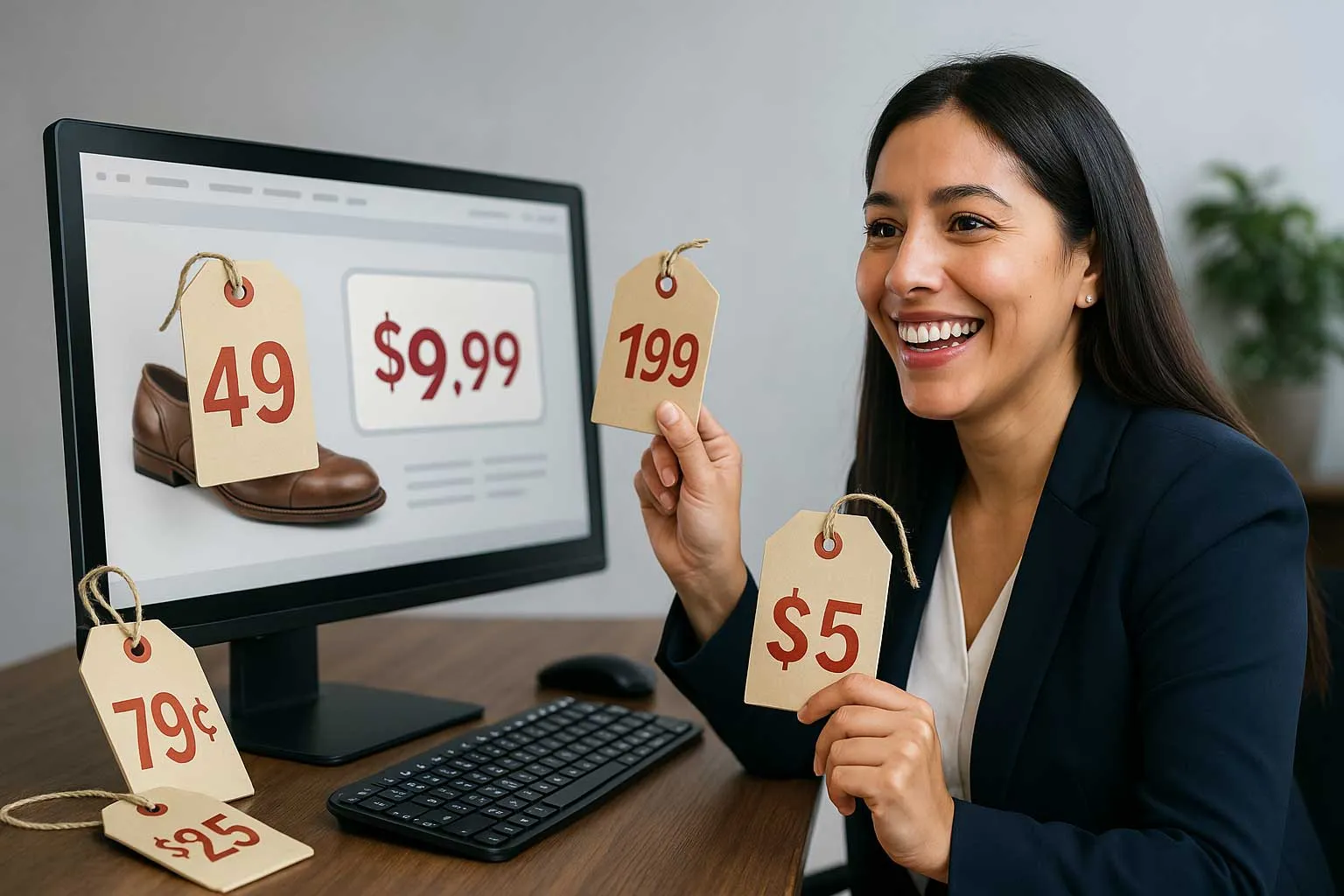
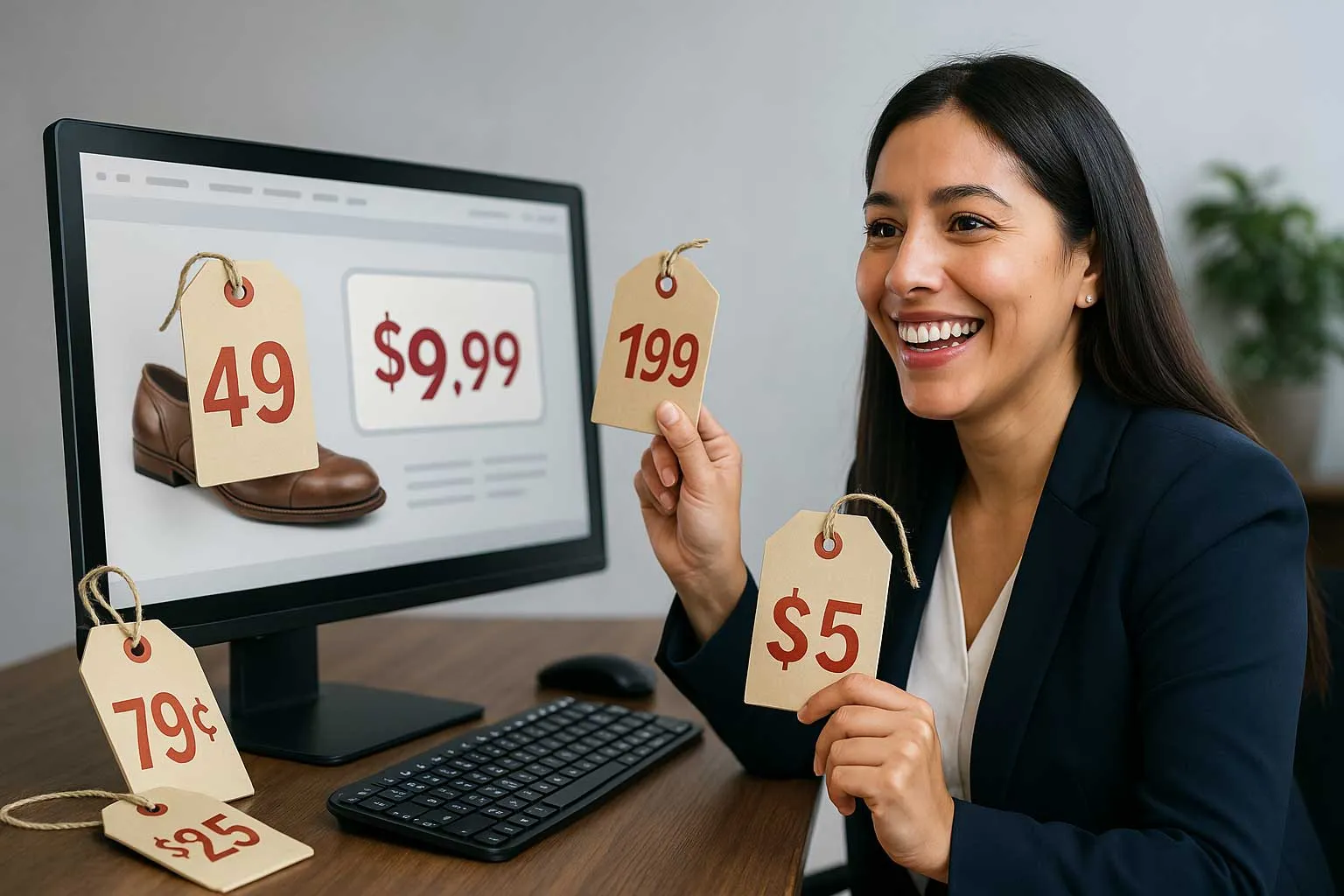
In a world where every brand fights for attention, your pricing doesn’t just reflect value—it shapes it. And thanks to behavioral science, we now know that how you present a price can matter more than the number itself.
Whether you're a small business owner, marketer, or designer, this guide will show you how to apply the psychology of pricing to boost conversions—without lowering your rates.
1. Why Put Small Words Near a Price?
Words like “only,” “just,” and “low” trigger subconscious associations with smaller numbers. That’s Gestalt proximity and convergent processing at work.
✅ Say: “Only $39.99”
❌ Don’t say: “Price: $39.99”
Even calling it a “small $5 fee” instead of just "$5 fee" can reduce perceived cost. The closer these words appear to the price, the more the brain sees the price itself as small.
2. Make Sale Prices Visually Different
Want your discount to feel deeper? Make it look different. Research shows that when a sale price uses:
- A different color (red is common)
- A precise number (like $38.63 instead of $39)
- A different font size or type
- A striking visual contrast from the original price
…customers perceive a greater deal. It’s not just a markdown—it’s a transformation.
Bonus: “Ugly fonts” actually work better for sale prices. They force people to read slowly, increasing mental processing and perceived value.
3. Do Smaller Fonts Make Prices Feel Smaller?
Smaller fonts = smaller perceived price.
When prices are displayed in smaller type, people unconsciously associate them with “less.”
But be cautious: on mobile or UX-limited designs, this can harm usability. The trick is to make the price feel subtle—not hidden.
4. What Do Rounded and Precise Prices Communicate?
Rounded numbers like $100 feel more emotional and easy. Precise numbers like $98.76 feel analytical and trustworthy.
Use rounded prices when selling with emotion: fashion, wellness, gifts.
Use precise prices when selling logic-heavy products: tech, finance, B2B tools.
The number itself communicates how people should feel about the product.
5. Which Price Should You Show First?
Always show the most expensive option first. This creates a price anchor, making everything after it feel cheaper by comparison.
That’s why luxury stores display the $3,000 watch before the $600 one.
Or SaaS plans list “Enterprise” before “Pro” or “Starter.”
Anchoring is one of the most powerful principles in pricing psychology—and one of the easiest to implement.
6. Rename Your Pricing Plans for Better Perception
Forget “Platinum” and “Premium.” Fancy names feel expensive.
Instead, use primitive names like “Basic,” “Starter,” or “Essential.” These signal normality and affordability, making users gravitate toward them.
Studies show customers are more likely to buy lower-tier plans when they’re labeled with fancy names—and buy higher plans when names are simpler.
7. Should You Highlight the Deal or the Discount?
Instead of just saying "25% off," explain what the customer gains:
✅ “Save $200 today and get free installation”
✅ “You’ll pay just $1.30/day for unlimited storage”
Reframe price in terms of benefit. What matters isn’t how much they pay—it’s what they feel they’re getting.
Final Thoughts: Why Does Perception Matter More Than Price?
Most people don’t calculate—they feel. The brain reacts to prices subconsciously, long before logic kicks in.
By applying psychological pricing tactics, you’re not manipulating buyers—you’re communicating value in a way they understand.
And when perception shifts, so does your revenue.